


What Are Radiofrequency Treatments for Skin?
- BILAL RAJA
- Mar 16
- 6 min read
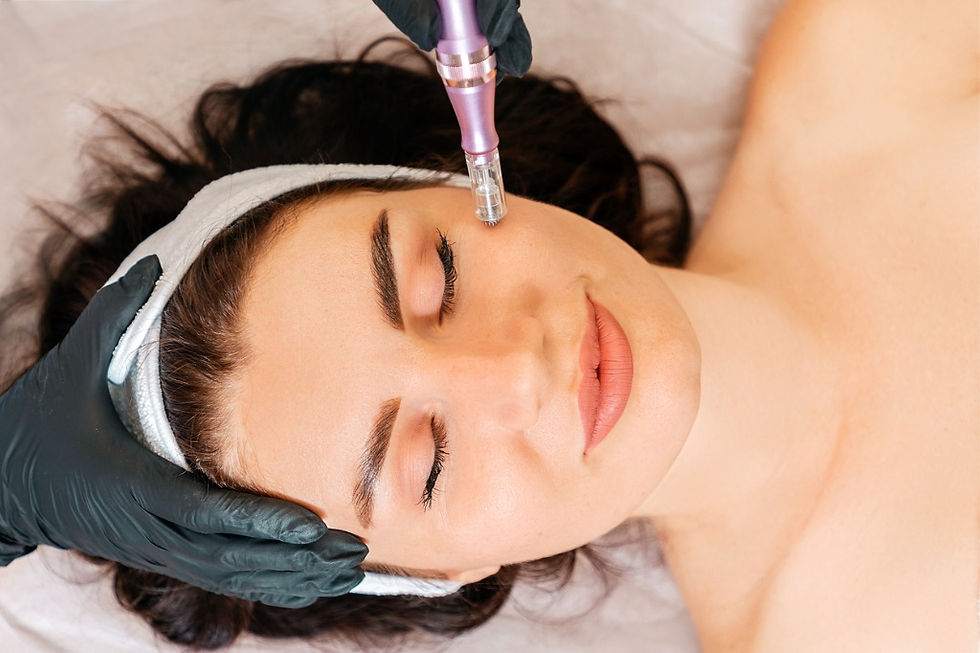
The landscape of aesthetic science has evolved significantly, offering individuals innovative ways to maintain a youthful appearance without the need for invasive surgical procedures. Among the most sought-after advancements are Radiofrequency Treatments in Abu Dhabi, which have gained immense popularity for their ability to address skin laxity and signs of aging using controlled energy. This technology focuses on restoring the skin's natural vitality by working from within the deeper layers of the dermis.
The Science of Radiofrequency for Skin
Radiofrequency (RF) treatment is a sophisticated, non-surgical method designed to tighten and contour the skin. Unlike laser treatments that use light energy to target the surface, RF utilizes electromagnetic waves to generate heat within the deeper dermal layers. This thermal energy serves as a "wake-up call" for the body’s natural regenerative processes.
Mechanism of Action: RF waves meet resistance in the tissue, creating heat that safely warms the dermis to a specific temperature.
Targeted Layers: It bypasses the epidermis to reach the dermis where structural proteins are housed.
Healing Response: The controlled heat triggers a natural healing cascade without damaging the outer skin.
Versatility: This technology is effective across various skin types and complexions.
Immediate Collagen Contraction
One of the primary reasons for the popularity of this method is the immediate response of the skin’s existing structural fibers. When the dermis is heated to an optimal level, the triple-helix structure of collagen fibers undergoes a physical change, causing them to shorten and thicken.
Fiber Shrinkage: Existing collagen fibers contract instantly upon exposure to thermal energy.
Visible Firming: This contraction leads to a subtle, immediate lifting effect.
Tissue Density: The process increases the perceived density of the skin right after the session.
Short-Term Refinement: It provides an instant "glow" or "flash" effect often desired before special events.
Long-Term Neocollagenesis
While immediate results are encouraging, the true power of radiofrequency lies in "neocollagenesis"—the production of new collagen over time. The thermal stimulus activates specialized cells called fibroblasts, which are the body’s factories for collagen and elastin.
Fibroblast Activation: Heat stimulates these cells to ramp up the production of structural proteins.
Dermal Remodeling: New collagen fibers are stronger and more organized than the older ones they replace.
Progressive Improvement: Results continue to enhance for months as the new protein network matures.
Lasting Resilience: The skin becomes naturally firmer and more elastic from the inside out.
Different Types of Radiofrequency Technology
Not all RF devices are the same; they vary based on how the energy is delivered and the depth it reaches. Understanding these variations helps in appreciating how treatments are tailored to specific skin concerns.
Monopolar Radiofrequency
This configuration uses a single electrode to deliver energy, with a grounding pad placed elsewhere on the body. It allows the energy to travel deeper into the tissue, making it highly effective for significant skin laxity and deep-seated structural issues.
Deep Penetration: Reaches the deeper layers of the dermis and even the subcutaneous fat.
Structural Focus: Ideal for significant lifting of the jawline and neck.
Uniform Heating: Provides a broad area of thermal energy for comprehensive remodeling.
Single Session Efficacy: Often requires fewer sessions due to the intensity of the energy delivery.
Bipolar and Multipolar Radiofrequency
Bipolar devices use two electrodes, and multipolar devices use several, to create a focused field of energy between them. These are generally more superficial and are excellent for refining skin texture and addressing fine lines.
Controlled Depth: The energy stays within the upper and mid-dermal layers.
Comfort Profile: Known for being a very comfortable experience, often compared to a warm massage.
Precision: Allows for targeted treatment of delicate areas like the skin around the eyes.
Texture Enhancement: Excellent for smoothing out surface irregularities and enlarged pores.
Fractional RF Microneedling
This advanced modality combines radiofrequency with microneedling. Tiny needles create micro-channels in the skin, delivering the RF energy directly into the dermis at precise depths.
Direct Delivery: Bypasses the surface entirely to deposit heat where it is needed most.
Dual Stimulation: Combines mechanical injury (needling) with thermal energy for maximum results.
Scar Correction: Particularly effective for improving the appearance of acne scars and stretch marks.
Intense Rejuvenation: Provides more dramatic results for skin texture and deep wrinkling.
Benefits of Choosing Non-Surgical Rejuvenation
The shift toward non-invasive options is driven by the desire for effective results with minimal disruption to daily life. Radiofrequency treatments offer a unique set of advantages that appeal to a wide range of individuals.
Natural-Looking Results
Because the treatment relies on the body’s own biological processes, the changes appear gradually and naturally. There is no "pulled" or artificial look often associated with surgical interventions.
Gradual Transformation: Improvements manifest over several weeks, mimicking a natural aging reversal.
Enhanced Contours: Restores the youthful "V-shape" of the face by firming the jawline.
Softened Transitions: Smoothes the transition between different facial areas, such as the cheeks and chin.
Subtle Refinement: Enhances personal features rather than changing them.
Minimal Recovery Time
In today’s fast-paced world, the ability to return to work or social activities immediately is a significant factor. Radiofrequency treatments generally require no downtime, making them convenient for busy schedules.
Outpatient Nature: Sessions are typically completed within an hour.
Surface Protection: Since the epidermis remains intact, there is no peeling or significant irritation.
Routine Integration: Patients can usually apply makeup and resume their skincare routine shortly after.
Convenience: Often referred to as a "lunchtime lift" due to the speed and ease of the procedure.
Common Areas for Treatment
Radiofrequency is versatile and can be applied to almost any area of the body where skin laxity is a concern. While the face and neck are the most common, other areas benefit greatly from the tightening effects.
Facial and Neck Contouring
The face is usually the first place to show signs of collagen loss. RF is widely used to lift the brow, tighten the skin under the eyes, and redefine the lower face.
Brow and Eyes: Helps in lifting sagging eyebrows and smoothing out crow’s feet.
Lower Face: Addresses "jowls" and sagging skin along the jawline.
Neck and Decolletage: Firms the "turkey neck" and smoothes out chest wrinkles.
Nasolabial Folds: Reduces the depth of lines running from the nose to the mouth.
Body Firming and Texture
Beyond the face, RF energy can be used to improve skin quality on the body, especially after weight loss or pregnancy.
Abdomen: Tightens loose skin on the belly area.
Arms: Helps firm the "bat wing" area or loose skin on the upper arms.
Thighs and Knees: Smoothes the appearance of "crepey" skin above the knees and on the inner thighs.
Cellulite Improvement: The heat can help reorganize the fibrous bands that cause dimpling, improving skin smoothness.
What to Expect During a Session
Understanding the process helps in preparing for the experience. Most sessions follow a standardized protocol to ensure both comfort and effectiveness.
Skin Preparation: The area is cleaned, and a conductive gel or oil is often applied to help the device glide.
Energy Delivery: The specialist moves the RF handpiece in circular or sweeping motions across the target area.
Thermal Sensation: You will feel a deep warming sensation as the energy reaches the dermis.
Duration: Depending on the size of the area, the process can take anywhere from 20 to 60 minutes.
Post-Session Care: Cooling gels or hydrating serums are typically applied to soothe the skin.
Selecting the Right Approach
Every individual’s skin is unique, and the best results are achieved through a personalized plan. Factors such as age, skin thickness, and the degree of laxity influence which technology is most appropriate.
Personalized Assessment: A thorough evaluation of skin quality determines the best RF modality.
Combination Therapies: RF is often used alongside other treatments like injectables or lasers for a comprehensive result.
Session Frequency: While some see results in one session, a series of 3 to 6 treatments is often recommended for optimal outcomes.
Maintenance: Periodic "touch-up" sessions help sustain the collagen production over the long term.
For those considering these advanced options, consulting with experienced professionals at established centers like Enfield Royal Clinic Abu Dhabi can provide clarity on how these technologies can be tailored to meet specific aesthetic goals.
Frequently Asked Questions
How soon will I see results from radiofrequency?
While some people notice an immediate "lift" due to collagen contraction, the most significant changes usually appear between 2 to 6 months. This timeline allows your body to build and strengthen the new collagen network.
Is radiofrequency suitable for all skin colors?
Yes, one of the greatest benefits of RF technology is that it is color-blind. Because it uses electrical energy rather than light, it does not target melanin, making it safe for all skin tones without the risk of pigmentation changes.
Can I combine RF with other treatments?
Absolutely. Many people combine radiofrequency with other rejuvenation methods. For example, it can be paired with skin boosters or other energy-based treatments to address both the deep structure and the surface texture of the skin.
How many sessions are typically required?
The number of sessions depends on the specific technology used and your skin's starting point. Some advanced monopolar systems might require only one or two sessions, while other systems may involve a series of 4 to 6 sessions spaced a few weeks apart.


Comments