


Is Thread Lift Treatment Safe for Face?
- BILAL RAJA
- Mar 10
- 6 min read
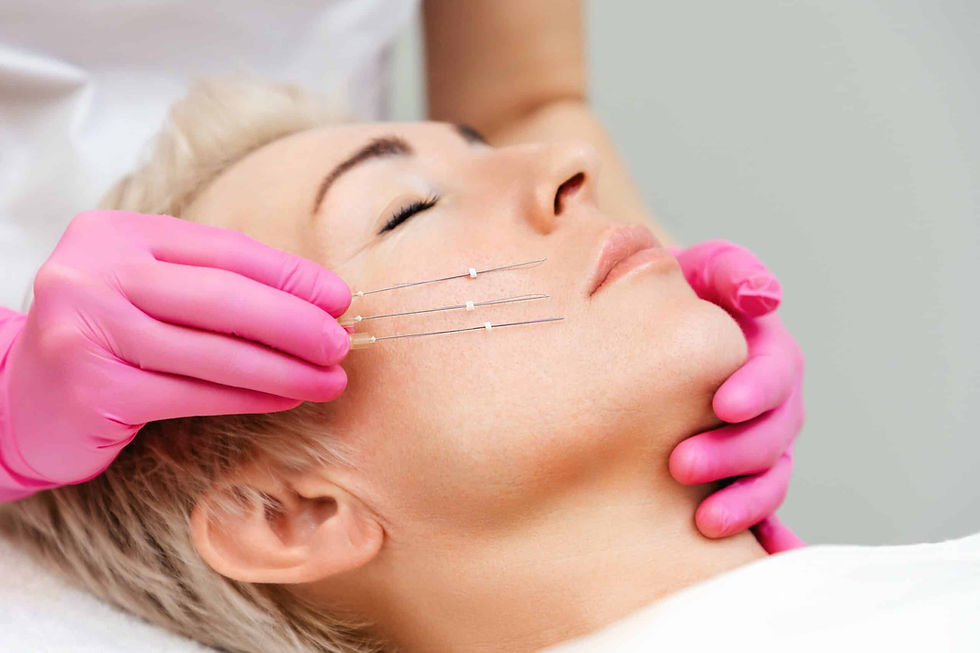
The quest for a youthful appearance has led to significant advancements in the field of aesthetic medicine. Among the most sought-after innovations is the non-surgical approach to tightening sagging skin. Many individuals seeking a refreshed look without the commitment of invasive surgery often explore the benefits of Thread Lift Treatment Abu Dhabi to achieve natural-looking contours and improved skin texture. This procedure has gained immense popularity due to its dual-action mechanism: providing an immediate mechanical lift and stimulating the body’s long-term biological rejuvenation processes.
Non-surgical innovation: Modern techniques offer a way to address skin laxity without traditional surgical incisions.
Dual-action benefits: The treatment provides both an instant visible lift and gradual improvements through natural protein stimulation.
Aesthetic popularity: It has become a preferred choice for those looking for subtle yet effective facial enhancement.
How Facial Threading Works: The Science of Lifting
The procedure utilizes medical-grade, biodegradable sutures that are strategically placed beneath the skin's surface. These threads act as a supportive scaffold, gently pulling the skin into a more elevated position. Once inserted, they create a "controlled healing" response. The body recognizes the threads as a foreign object and responds by producing fresh collagen and elastin around them. This biological reaction ensures that even after the threads naturally dissolve, the structural integrity of the skin remains enhanced.
Structural scaffolding: Biodegradable threads provide the initial support needed to lift sagging tissues.
Collagen stimulation: The presence of the threads triggers the production of essential proteins that maintain skin firmness.
Natural absorption: The materials used are designed to be safely absorbed by the body over several months.
Exploring the Different Types of Threads
Not all threads are created equal; different materials offer varying levels of lift and longevity. The choice of material often depends on the specific goals of the individual, such as whether they need volume restoration or a stronger structural lift for the jawline.
PDO (Polydioxanone) Threads
These are the most commonly used threads, known for their high safety profile and versatility. They are excellent for improving skin quality and providing a subtle lift to areas like the eyebrows or cheeks.
PLLA (Poly-L-Lactic Acid) Threads
PLLA threads are often referred to as "volumizers." They are made from the same material found in certain collagen-stimulating fillers and are particularly effective at restoring lost volume in hollow areas of the face.
PCL (Polycaprolactone) Threads
As the latest generation of threading material, PCL is known for its durability and flexibility. It stays in the tissue longer than other types, offering a more sustained collagen-building effect and a powerful lift for more advanced sagging.
PDO versatility: Ideal for general skin tightening and fine line reduction.
PLLA volumization: Best suited for those needing to fill out sunken facial contours.
PCL durability: Offers the longest-lasting results and superior structural support.
Targeted Areas for Facial Rejuvenation
Facial threading is highly customizable, allowing practitioners to focus on specific zones that show the earliest signs of aging. Whether it is a drooping brow or a softening jawline, the procedure can be tailored to address the unique anatomy of each person.
Mid-Face and Cheeks
One of the primary uses of this treatment is to lift the mid-face. By elevating the cheeks, the procedure can also soften the appearance of nasolabial folds (smile lines) and restore the "triangle of youth."
Jawline and Jowls
For many, the loss of a sharp jawline is a major concern. Specialized barbed threads can be used to pull back sagging skin along the lower face, creating a more defined and contoured jawline.
Brow and Eye Area
The "fox eye" or "cat eye" look is often achieved using fine threads to lift the outer tail of the eyebrow, opening up the eye area for a more alert and refreshed appearance.
Mid-face elevation: Restores cheek volume and reduces deep facial folds.
Jawline definition: Effectively addresses "jowls" and sagging along the lower facial border.
Eye area refreshment: Provides a non-surgical alternative to a traditional brow lift.
Comparing Non-Surgical Lifts with Traditional Options
While a surgical facelift remains the gold standard for severe skin laxity, many people prefer the non-surgical route for its convenience. The primary difference lies in the intensity of the results and the nature of the procedure itself. Non-surgical lifts focus on subtle repositioning and "biostimulation," whereas surgery involves the removal of excess skin and deeper tissue manipulation.
Invasiveness: Threading requires no large incisions, making it a "minimally invasive" alternative.
Result style: It offers a more natural, subtle enhancement compared to the more dramatic changes of surgery.
Preventative care: Many younger individuals use threading as a preventative measure to slow down the visible signs of aging.
What to Expect During the Procedure
The process is relatively quick, often completed within 30 to 60 minutes. It typically begins with the application of a local numbing agent to ensure the process is comfortable. A thin needle or cannula is then used to insert the threads into the subcutaneous layer of the skin. Once the threads are positioned, the practitioner may gently massage the area to ensure the barbs or cones are securely anchored before trimming any excess material.
Time efficiency: Often called a "lunchtime lift" due to its short duration.
Comfort measures: Local numbing is utilized to minimize any sensation during the insertion.
Immediate feedback: Individuals can often see a change in their facial contours immediately following the session.
Essential Post-Treatment Care
To achieve the best possible results, following specific care guidelines is important. While there is no extensive downtime, the skin needs time to settle and for the collagen-building process to begin without interruption. Avoiding strenuous facial movements or pressure on the treated areas helps the threads stay in their optimal position.
Initial rest: Avoiding heavy exercise for the first week allows the tissue to heal around the threads.
Head elevation: Keeping the head slightly raised while sleeping can help manage the initial settling phase.
Gentle cleansing: Being careful while washing the face ensures that the threads are not displaced.
Sustainability and Longevity of Results
The effects of a thread lift are not permanent, as the materials are designed to be absorbed by the body. However, the results typically last between 12 to 24 months, depending on the type of thread used and the individual's skin quality. The "secondary" results—the new collagen—continue to support the skin even after the physical threads have vanished.
Biodegradability: Threads naturally break down into harmless substances like water and carbon dioxide.
Extended benefits: Collagen production provides a lasting "internal" support system for the skin.
Maintenance: Many choose to have "touch-up" sessions every year or two to maintain their youthful contours.
Choosing the Right Approach for Your Needs
Success in facial rejuvenation depends heavily on selecting the right technique for your specific skin type and degree of laxity. A consultation with a qualified professional is the best way to determine if threading is the right fit. For those in the region, seeking expertise at a reputable facility like the Enfield Royal Clinic Abu Dhabi can provide valuable insights into how these modern techniques can be integrated into a personalized aesthetic plan.
Personalized assessment: Professional guidance helps in choosing the correct thread type and placement.
Comprehensive solutions: Combining threading with other non-surgical options can lead to a more balanced and natural appearance.
Aesthetic goals: Clearly defining your expectations for subtle versus dramatic change is a key step in the process.
Frequently Asked Questions (FAQs)
1. How long does the procedure take?
A facial thread lift session typically takes between 45 and 60 minutes. Because it involves local numbing and no large incisions, it is often referred to as a "lunchtime facelift."
2. Are the results seen immediately?
Yes, you will notice a mechanical lift in the treated areas as soon as the threads are placed and adjusted. However, the full effect will be visible within 3 to 6 months as the body produces new collagen around the threads.
3. Can I have other treatments with a thread lift?
Many individuals combine threading with other options like dermal fillers or anti-wrinkle injectables for a more comprehensive rejuvenation. Your practitioner can advise on the best sequence for these treatments.
4. Who is the ideal candidate for a non-surgical thread lift?
The treatment is most effective for individuals between 30 and 55 years old who have mild to moderate skin laxity and wish to refresh their look without invasive surgery.


Comments