


Is Pimple Treatment Safe for Sensitive Skin?
- BILAL RAJA
- Apr 1
- 4 min read
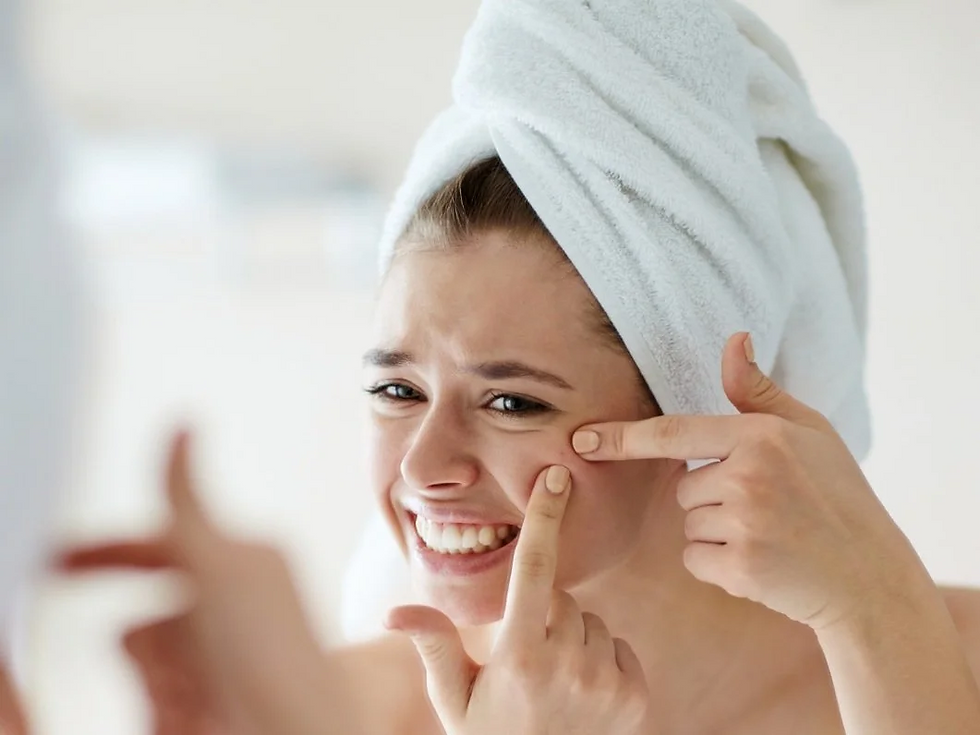
Living in a coastal city with a desert climate presents unique challenges for those prone to breakouts. If you are seeking Pimples Treatment in Abu Dhabi, understanding how to balance clinical efficacy with the delicate nature of sensitive skin is the first step toward a clearer complexion. Modern dermatological advancements have made it possible to address active acne and congestion without compromising the skin's protective barrier, even for the most reactive skin types.
Understanding Acne and Skin Sensitivity
Acne is a complex condition involving excess sebum production, clogged pores, and bacterial growth. When sensitive skin is added to the mix, traditional high-strength treatments can often lead to redness or flaking. Professional care focuses on identifying the specific triggers—be they environmental, hormonal, or product-related—and applying soothing yet effective protocols to manage inflammation.
Holistic Evaluation: Experts assess the skin's moisture barrier before recommending any active interventions.
Trigger Identification: Pinpointing external irritants like humidity or harsh cleansers is vital for long-term success.
Balanced Formulations: Using ingredients that target bacteria while maintaining the skin's natural pH level.
Safe and Effective Clinical Options
Gentle Chemical Exfoliation
Unlike historical peels that were often too aggressive for sensitive individuals, modern superficial peels use milder acids like Lactic or Mandelic acid. These large-molecule acids penetrate the skin slowly, providing exfoliation and pore clearance without the intense "burn" or significant downtime associated with deeper treatments.
Superficial Depth: Only the outermost layer of dead skin is removed to prevent irritation.
Pore Decongestion: Effectively clears blackheads and whiteheads that lead to larger pimples.
Hydration Boost: Many gentle peels actually help the skin retain moisture post-treatment.
Laser and Light-Based Therapies
Light therapy is a non-invasive breakthrough for sensitive skin. Blue light therapy specifically targets P. acnes bacteria without any physical contact or chemical application, making it an ideal choice for those who cannot tolerate topical retinoids or benzoyl peroxide.
Bacterial Target: Blue light wavelengths neutralize the bacteria responsible for inflammatory breakouts.
Redness Reduction: Red light therapy is often used in tandem to calm active inflammation and speed up healing.
Non-Thermal Action: These therapies do not rely on heat, reducing the risk of thermal sensitivity.
Professional Extractions
While "popping" pimples at home is highly discouraged, professional extractions performed in a sterile environment can safely remove deep-seated debris. A dermatologist uses specialized tools to clear pores precisely, ensuring that the surrounding sensitive tissue is not damaged or bruised.
Sterile Environment: Minimizes the risk of secondary infections that can exacerbate sensitive skin.
Precision Pressure: Controlled pressure ensures the pore is cleared without causing scarring.
Post-Care Soothing: Clinicians apply calming masks immediately after to prevent post-extraction redness.
The Role of Advanced Skincare Technology
The integration of advanced technology allows for customized treatment paths. At Enfield Royal Clinic Abu Dhabi, practitioners utilize diagnostic tools to map skin health, ensuring that every procedure—from hydration facials to mild laser resurfacing—is calibrated to the patient's specific sensitivity threshold. This personalized approach ensures that the "one size fits all" mentality is replaced with precise, medical-grade care.
Nutrient Infusion and Hydration
Sensitive skin often breaks out because its barrier is compromised, leading to "leaky" skin that lets bacteria in. Treatments like medical-grade hydradermabrasion combine gentle suction with the infusion of calming antioxidants and hyaluronic acid, strengthening the skin while cleaning the pores.
Barrier Repair: Infusing ceramides and vitamins helps the skin defend itself against acne-causing agents.
Gentle Suction: Removes impurities more softly than traditional manual scrubbing.
Instant Calming: The cooling effect of the infusions reduces heat and sensitivity immediately.
Home Care and Maintenance Strategies
The Importance of a Minimalist Routine
For sensitive, acne-prone skin, less is often more. Overloading the skin with multiple active ingredients can lead to "dermatitis-like" breakouts. A professional can help streamline your routine to include only what is necessary: a gentle cleanser, a soothing moisturizer, and a physical (mineral) sunscreen.
Mild Cleansing: Use soap-free, non-foaming cleansers that do not strip natural oils.
Moisture Retention: Even oily skin needs hydration; look for non-comedogenic, oil-free gels.
UV Protection: Mineral sunscreens with Zinc Oxide are less likely to irritate sensitive skin than chemical filters.
Lifestyle and Environmental Adjustments
Abu Dhabi’s heat can increase sweat and oil production. Managing your environment by staying in cool areas and cleansing immediately after outdoor activity can prevent sweat-induced "Malassezia" or fungal acne, which often mimics traditional pimples but requires different care.
Climate Control: Reducing exposure to extreme humidity helps maintain a stable skin environment.
Dietary Awareness: High-glycemic foods can sometimes trigger hormonal spikes that lead to acne.
Hydration: Drinking enough water supports the skin's natural detoxification processes.
Why Professional Guidance is Essential
Self-treating sensitive skin often leads to a cycle of irritation and more breakouts. A board-certified dermatologist can distinguish between different types of acne and skin conditions like rosacea, which can look similar but require vastly different treatments. By seeking professional help, you ensure that your journey to clear skin is both safe and scientifically sound.
Frequently Asked Questions
Can I get laser treatment if my skin is very sensitive?
Yes, certain types of light and laser therapies, such as Blue Light or low-level Intense Pulsed Light (IPL), are designed to be extremely gentle. They target bacteria or redness specifically without harming the skin's surface, making them safer for sensitive skin than many topical creams.
How do I know if my breakouts are acne or just irritation?
True acne usually involves comedones (blackheads/whiteheads) and inflammatory papules. Simple irritation often manifests as small, itchy red bumps without a "head." A professional evaluation is the only way to accurately diagnose the condition and provide the correct treatment path.
Are chemical peels too harsh for people with reactive skin?
Not necessarily. Modern "superficial" or "lunchtime" peels use larger-molecule acids that do not penetrate as deeply or as quickly as traditional peels. These are specifically formulated to provide the benefits of exfoliation and pore clearance without causing significant irritation or peeling.
Will professional treatments cause more redness initially?
Some minor, temporary redness is normal after procedures like extractions or certain peels, but this typically subsides within a few hours. Dermatologists use post-treatment cooling masks and serums to ensure your skin is calmed and protected before you leave the clinic


Comments