


Is Mesotherapy Treatment Safe for Face?
- BILAL RAJA
- Mar 10
- 7 min read
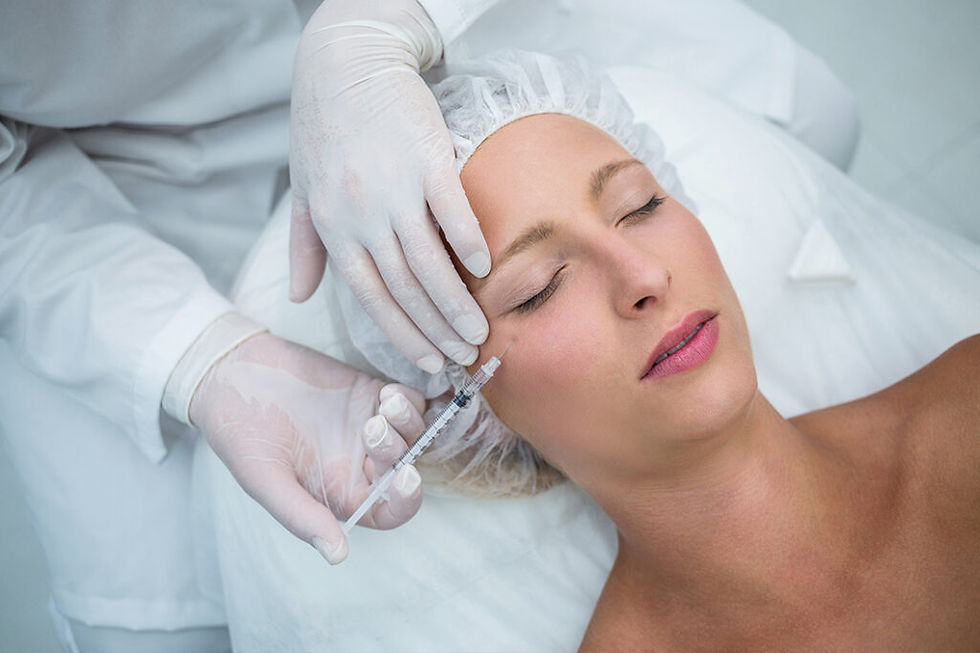
The pursuit of radiant, healthy skin has led to the development of numerous advanced dermatological techniques. Among these, the method of delivering potent nutrients directly into the skin’s architecture has become a cornerstone of modern aesthetic care. By bypassing the surface barrier that often limits the effectiveness of traditional creams, this approach ensures that the dermis receives the exact biological tools it needs to thrive.
In the vibrant healthcare landscape of the UAE, Mesotherapy in Abu Dhabi has emerged as a sought-after solution for those looking to refresh their complexion without undergoing invasive surgery. This technique focuses on "biorevitalization," a process that essentially wakes up the skin’s internal repair systems. By utilizing a customized blend of hyaluronic acid, vitamins, and minerals, the treatment helps restore the skin’s natural bounce and luminosity from the inside out.
Direct Nutrient Delivery: Unlike topical products, this method places active ingredients exactly where they can influence cellular behavior.
Biorevitalization: It encourages the skin to act "younger" by providing the building blocks for repair.
Customization: Formulas are often tailored to specific concerns like dullness, fine lines, or dehydration.
Minimal Intrusion: The process is designed to be gentle, fitting easily into a busy modern lifestyle.
The Biological Mechanism of Skin Renewal
To understand why these treatments are effective, one must look at the "mesoderm," or the middle layer of the skin. This layer is home to fibroblasts—the tiny "factories" responsible for producing collagen and elastin. As we age, these factories slow down, leading to a loss of volume and the appearance of fine lines. Modern facial treatments aim to jumpstart these cells by surrounding them with a high concentration of essential nutrients.
The physical act of the procedure also plays a significant role. The application involves micro-trauma to the skin surface, which sounds counterintuitive but is actually a well-documented trigger for the body’s natural healing response. When the skin detects these tiny entry points, it rushes to produce new collagen to "repair" the area, resulting in a naturally tighter and smoother texture over time.
Fibroblast Activation: Providing the necessary "fuel" for cells to produce structural proteins.
Collagen Synthesis: The natural byproduct of the skin’s healing response to micro-stimuli.
Elastin Production: Enhances the "snap-back" quality of the skin, reducing visible sagging.
Enhanced Microcirculation: The process helps improve blood flow, which brings more oxygen to the surface.
Is Mesotherapy Treatment Safe for Face?
When considering any aesthetic procedure, safety is the primary concern for most individuals. The safety profile of facial mesotherapy is generally considered high, largely because the substances used are often biocompatible—meaning they are similar to materials already found in the human body. Hyaluronic acid, for instance, is a sugar molecule that occurs naturally in our skin and joints to keep them lubricated and hydrated.
The procedure is minimally invasive and performed using ultra-fine needles or specialized delivery devices. Because it does not involve deep surgical incisions or general anesthesia, the physiological stress on the body is extremely low. Most people find that they can return to their daily routines almost immediately, making it a "lunchtime" procedure for many. However, the key to maintaining this high safety standard is ensuring the treatment is performed by qualified professionals who use sterile, high-quality ingredients.
Biocompatible Ingredients: Most "cocktails" use substances the body already recognizes, such as vitamins and amino acids.
Non-Surgical Nature: Lack of incisions significantly reduces the recovery time and systemic stress.
Controlled Environment: When performed in a professional setting, strict hygiene protocols are followed.
Adjustable Depth: Professionals can control exactly how deep the nutrients go based on the skin's sensitivity.
Key Ingredients in the Nutritive Cocktail
The success of a facial treatment depends heavily on the "recipe" used in the injection. These mixtures are not one-size-fits-all; they are carefully balanced to address specific dermatological needs. For example, a person struggling with sun damage might receive a formula rich in Vitamin C, while someone with dry skin would benefit more from a high concentration of hyaluronic acid.
Vitamins like A, B, C, and E are common staples. Vitamin C acts as a powerful antioxidant, protecting the skin from environmental pollutants, while Vitamin A (retinol) helps with cell turnover. Amino acids are also vital, as they serve as the "bricks" for building new protein chains. Together, these ingredients create a synergistic effect that no single cream can replicate.
Hyaluronic Acid: Acts as a moisture magnet, holding up to 1000 times its weight in water.
Antioxidants: Neutralize free radicals that contribute to premature aging and skin fatigue.
Minerals: Elements like zinc and magnesium help regulate oil production and support structural integrity.
Coenzymes: These help speed up the biochemical reactions that lead to skin repair.
Target Areas and Aesthetic Goals
Facial treatments are highly versatile and can be applied to various zones where signs of aging or fatigue are most prominent. While the entire face can benefit from a general "glow" treatment, certain areas often require a more focused approach. The under-eye area, for example, is notoriously difficult to treat with standard products due to the thinness of the skin.
By targeting specific zones, practitioners can address localized issues like crow's feet, "smoker's lines" around the mouth, or a loss of definition along the jawline. The goal is rarely a "frozen" look; rather, it is about restoring a refreshed, well-rested appearance that looks natural.
Under-Eye Rejuvenation: Helping to reduce the appearance of dark circles and fine puffiness.
Mid-Face Volume: Providing a subtle lift to the cheeks through deep hydration.
Perioral Lines: Smoothing out the fine vertical lines that appear around the lips.
Neck and Décolletage: Extending the treatment to ensure the neck matches the face's youthful appearance.
What to Expect During the Procedure
The journey to better skin typically begins with a thorough assessment of the skin's current health. During the actual session, the skin is cleansed, and a topical numbing agent may be applied to ensure total comfort. The professional then uses a series of rapid, shallow injections to distribute the nutrient cocktail across the treatment area.
The entire process usually takes between 20 to 45 minutes, depending on the extent of the area being covered. While some people see an immediate "boost" in hydration, the most significant results typically develop over several weeks as the body begins to produce new collagen and elastin in response to the treatment.
Preparation Phase: Deep cleansing and numbing to prepare the "canvas."
The Injection Process: Precise delivery of nutrients using specialized, thin needles.
Post-Treatment Care: Application of soothing serums to calm the skin immediately after.
Sequential Sessions: Most goals are achieved through a series of treatments spaced several weeks apart.
Long-Term Benefits and Skin Maintenance
One of the most appealing aspects of modern skin therapy is the cumulative effect. While a single session provides a nice glow, a consistent series of treatments can fundamentally change the quality of the skin. Over time, the skin becomes denser, more resilient, and better at retaining its own moisture.
To maintain these results, experts often recommend "top-up" sessions every few months. This consistent supply of nutrients ensures that the fibroblasts remain active and that the skin continues to defend itself against the harsh environmental factors often found in urban environments.
Cumulative Improvement: Each session builds on the last, leading to better skin density.
Environmental Defense: Nourished skin is better at resisting damage from UV rays and pollution.
Texture Refinement: Ongoing treatment helps minimize the appearance of pores and rough patches.
Sustainable Aging: A proactive approach that focuses on health rather than just "fixing" problems later.
Preparing for Your Treatment
Preparation is simple but important for ensuring the best possible outcome. It is generally advised to arrive at your appointment with a "clean" face, free of heavy makeup or irritating skincare products like strong retinols. Hydration is also key; drinking plenty of water in the days leading up to the procedure helps the hyaluronic acid work more effectively within the skin layers.
By following these simple steps, you allow the practitioner to work on a calm, hydrated surface, which maximizes the absorption of the nutrient cocktail and ensures the skin responds positively to the micro-stimuli.
Hydration Focus: Drinking water helps the injected hyaluronic acid "plump" the skin more effectively.
Skincare Pause: Stopping the use of harsh chemical exfoliants a few days before.
Clean Surface: Arriving without makeup allows for a more thorough cleansing process.
Consultation: Discussing your specific skin goals clearly with your provider.
Post-Treatment Care and Recovery
After the session, the skin might appear slightly flushed, similar to a mild sunburn. This is a normal sign that the microcirculation has been stimulated. Most professionals advise against applying makeup for at least 12 to 24 hours to allow the micro-channels to close and the nutrients to be fully absorbed.
Sun protection is the most critical part of aftercare. Because the skin has been stimulated, it is temporarily more sensitive to UV rays. Using a broad-spectrum SPF ensures that the new, healthy cells being produced are protected from sun damage.
The 24-Hour Rule: Avoiding makeup and heavy exercise to let the skin "breathe" and heal.
Sun Protection: Mandatory use of high-factor SPF to protect the revitalized skin.
Gentle Cleansing: Using mild, non-fragranced products for the first few days.
Moisture Support: Continuing to hydrate topically to complement the internal hydration.
Frequently Asked Questions
1. How many sessions are usually required to see a difference?
While a subtle "glow" is often visible within a few days of the first session, a series of 3 to 6 treatments is typically recommended for significant improvements in skin texture and firmness. These are usually spaced about 2 to 4 weeks apart to allow the skin's natural regeneration cycle to take place.
2. Can this treatment be combined with other facial procedures?
Yes, it is often used as a complementary treatment. For instance, it can be paired with other skin-resurfacing techniques to provide the "nutrition" those treatments need to yield better results. However, it is always best to follow a plan designed specifically for your skin type.
3. Is there any specific age to start facial rejuvenation treatments?
There is no "perfect" age, as the treatment serves both as a preventative measure for younger individuals and a restorative one for more mature skin. Many people start in their late 20s or early 30s to maintain their skin's collagen levels and delay the onset of fine lines.
4. How long do the effects of the treatment typically last?
The longevity of the results depends on lifestyle and skin type, but generally, the effects last between 6 to 12 months. Regular maintenance sessions every 3 to 4 months can help extend the benefits and keep the skin looking consistently refreshed.


Comments